Space Heater vs Baseboard Heater: Cost and Comfort (October 2026)
Choose a space heater for portable, room-by-room warmth; choose a baseboard heater for fixed heat in a room without central heating. Their running cost depends on wattage, thermostat use, electricity rates and how long each heater runs.
On this page (7 sections)
Choose a space heater for portable, room-by-room warmth; choose a baseboard heater for fixed heat in a room without central heating. In a space heater vs baseboard heater comparison, the cost depends on power use and how much of your home you heat.
Both types use electricity to make heat. A portable space heater gives you control over where the heat goes, while an installed baseboard heater stays in one place and can serve as a room's regular heat source.
The better fit depends on whether you need temporary warmth, a permanent room system or a way to avoid heating unoccupied rooms. Check the unit's wattage, the room's insulation and how long you expect it to run.


Space heater vs baseboard heater: what is the difference?
A space heater is portable or wall mounted, while a baseboard heater is fixed along a wall. Both can heat a room, but they differ in installation, heat delivery and how easily you can move the warmth.
Portable space heaters include fan, radiant and convection models. A fan heater moves warmed air around the room, while a radiant heater directs heat toward people and nearby surfaces.
A guide to how convection heaters work explains the air-circulation approach.
Baseboard heaters sit low along a wall and warm the air nearby. The warmed air rises and circulates through the room.
Some baseboard models connect to a home's electrical system and thermostat, so an electrician may be needed for installation or repair.
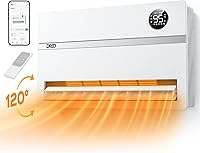
A wall-mounted panel heater can sit between those categories: it's fixed in place once mounted, but it may plug into an outlet and provide supplemental heat. For examples of that style, see our wall heater guide.
Which costs less to run?
The running cost comes down to watts, hours of use and your electricity rate, not the heater's name. A smaller heater can cost less when it runs for the same time, but lower wattage alone doesn't guarantee lower total use.
Use this formula:
Cost = watts ÷ 1,000 × hours × electricity rate per kWh
For example, a 1,500-watt heater running for 1 hour uses 1.5 kWh. Multiply that by the rate on your electricity bill to estimate the energy charge for that hour.
A thermostat can reduce runtime by switching the heater off when the room reaches its set temperature. The actual savings depend on the room and your settings.
For more examples, read how much a 1,500-watt heater costs per hour.
Does zoning make a space heater cheaper?
A portable heater may lower your total bill if you use it to warm one occupied room and turn down the main heating system safely. That depends on your home's heating setup and whether other rooms still need protection from cold.
Don't assume that a portable heater saves money simply because it's small. If it runs for many hours at full power while central heat remains unchanged, it adds electricity use without replacing other heating.
A baseboard can also heat one room at a time when each room has its own thermostat. If the thermostat controls a larger zone, the heater may run longer than you expect.
Check the actual circuit and thermostat setup before comparing costs.
Which feels more comfortable?
A portable fan heater can send warmth toward a chosen area, while a baseboard warms air along a fixed wall. Which feels better depends on where you sit, air movement, drafts and how evenly the room holds heat.
Fan heaters circulate warm air, which can make the room feel warmer more quickly near the unit. Some people dislike the airflow or fan noise, so check those details if the heater will run in a bedroom or quiet workspace.
Radiant space heaters warm people and objects in their path rather than relying only on room air. This can work well when you're seated in one spot, though you may feel less warmth when you move out of the heater's range.
Our guide to infrared heaters explains that heating method.
Baseboard heat has no portable fan directing air across the room. It warms the air near the floor, which then rises, but cold windows, poor insulation and furniture placement can still leave a room unevenly warm.
Which is easier to install and use?
A portable space heater is usually easier to set up because it needs a suitable outlet and a safe location. A baseboard heater is a permanent fixture, and new wiring or thermostat work may require a qualified electrician.
A portable unit can move from a home office to a living room as your needs change. Check its cord reach and keep the heater on a stable surface with clear space around it.
A fixed baseboard doesn't take up floor space in the same way as a portable heater, but it limits where furniture can go. Keep curtains, furniture and other objects away from the heater according to the manufacturer's clearances.
If you prefer a heater that stays against the wall but can also be moved later, the De'Longhi HCX9115E Panel Heater is designed for freestanding or wall-mounted use, with a thermostat and 24-hour timer.
For fixed wall heat with remote and app control, the DREO Alexa Wall Heater has an ECO mode and temperature control. Its wall-mounted design avoids taking up floor space.
If you want to move heat between rooms, the DREO Quiet Remote Heater is a portable tower with 70-degree oscillation and a remote control.
What safety checks matter?
Use either heater according to its manual, and keep the surrounding area clear. Portable heaters need extra attention because they can be moved, tipped or placed too close to bedding and furniture.
Plug a portable electric heater directly into a wall outlet unless its manual says otherwise. Don't use an extension cord or power strip unless the manufacturer explicitly permits it.
Avoid running the cord under rugs or across a walkway.
Choose a heater with safety features that match the room and household. Tip-over protection can switch a portable heater off if it falls, while overheat protection can shut it down if it gets too hot.
Learn what tip-over protection does, and check the manual for the exact model.
A baseboard heater is fixed, but it still needs clear space around it. Keep fabric and furniture away, and don't cover the heater or block its air path.
Which heater fits your situation?
Choose a portable space heater for occasional or movable heat; choose a baseboard heater for a room that needs a fixed heat source. Make the choice based on use, room layout and installation needs.
Pick a space heater if:
- You heat one room at a time.
- You want to move the heater between rooms.
- You need temporary or supplemental heat.
- You want to avoid a permanent installation.
Pick a baseboard heater if:
- You need a fixed heater in one room.
- You can keep its required clearance from furniture and curtains.
- The installation and electrical setup suit the home.
- You want a heater that stays in place.
For a quick comparison of heater types and their intended uses, start with our guide to the best electric heaters for home. If your main concern is a breaker tripping, read why a space heater may trip a breaker before using another heater on that circuit.
Space heater vs baseboard heater: which should you choose?
Choose a portable space heater when you need flexible spot heat, and a baseboard heater when you need a permanent room heater. For either option, estimate energy use from wattage and hours, then account for the thermostat and the rest of your home's heating.
A space heater is the simpler choice for occasional use in an occupied room. A baseboard heater suits a fixed location where a permanent installation makes sense.
Compare the room's heat needs and your control over the circuit before deciding.
Sources
- U.S. Department of Energy: Electric Resistance Heating
- U.S. Consumer Product Safety Commission: Space Heater Safety
Frequently asked questions
Is a space heater cheaper to run than a baseboard heater?
Neither type is automatically cheaper to run. A space heater can cost less overall if it lets you heat one occupied room instead of the whole home, but a baseboard can use less energy when it has a thermostat and heats only a room you need.
Compare wattage, runtime and your electricity rate.
Do baseboard heaters use more electricity than space heaters?
Not necessarily. Both electric resistance heaters turn electricity into heat, and the energy use depends on their wattage and how long they operate.
Compare the nameplate or manual for each model, then consider whether one heater can keep the room comfortable with less runtime.
Can a space heater replace a baseboard heater?
A space heater can provide supplemental heat in one room, but it may not be a suitable permanent replacement for installed heat. Check local requirements, the room's heating needs and the heater's instructions.
Keep a safe distance from furniture, bedding and other items.
Which heater feels more comfortable?
Comfort depends on the heater's location and how it moves heat. A portable fan heater can warm the area around you quickly, while a fixed baseboard warms air near the floor and lets it circulate.
Drafts, insulation, room size and thermostat placement also affect comfort.
Can you leave a space heater on overnight?
Follow the exact heater's manual, and don't leave a portable heater running while you sleep unless its instructions explicitly allow it. Keep it on a stable surface, away from bedding and other combustibles, and plug it directly into a suitable wall outlet.