Why Is My Space Heater Tripping the Breaker?
A space heater usually trips a breaker because the circuit is overloaded, the heater or cord has a fault, or the breaker itself has a problem. Unplug the heater, reduce other loads on the circuit, and stop using it if the breaker trips again.
On this page (9 sections)
- Why is my space heater tripping the breaker?
- What should I do when the breaker trips?
- How can I tell if the circuit is overloaded?
- Can a space heater cause a fault?
- Is it safe to move the heater to another outlet?
- Could the breaker be faulty?
- Can an oil-filled heater prevent breaker trips?
- How do I avoid another breaker trip?
- When should I call an electrician?
A space heater usually trips a breaker because the circuit is overloaded, the heater or wiring has a fault, or the breaker has a problem. Unplug the heater, turn off other devices on that circuit, and stop using the heater if the breaker trips again.
A breaker shuts off power when it detects an unsafe condition. Repeated trips need attention, so don't keep resetting the breaker or try to bypass it.
Why is my space heater tripping the breaker?
The most common reason is that the heater and other devices draw more current than the circuit can safely supply. A damaged heater, cord, outlet, or breaker can also cause a trip.
Space heaters use substantial power. A 1500-watt heater draws about 12.5 amps on a 120-volt circuit, leaving less capacity for other devices on that circuit.
Check the heater label for its actual power and follow the circuit's rating.
A heater may also trip a breaker when it first starts, if its wiring or heating parts are damaged, or if a breaker is worn. A trip doesn't tell you which cause is responsible, so treat it as a safety signal rather than a nuisance to defeat.
For a closer look at the heater's current draw, see how many amps a space heater uses.
What should I do when the breaker trips?
Unplug the heater and check for warning signs before resetting the breaker. If you see scorch marks, smell burning, feel unusual heat at the plug or outlet, or hear buzzing, leave the circuit off and call a qualified electrician.
If there are no warning signs, unplug the heater and switch off other high-power devices on the same circuit.
You can try resetting the breaker once. If it trips again, leave it off and arrange an inspection.
Don't hold the breaker in the on position or repeatedly flip it back on. Don't open the breaker panel or remove an outlet cover to investigate unless you are qualified to do that work.
How can I tell if the circuit is overloaded?
A circuit is more likely overloaded if the breaker trips when the heater runs alongside other high-power appliances. Common examples include a microwave, toaster, hair dryer, or another heater.
Turn off those other devices, then consider whether the heater can run on a circuit with enough capacity. An outlet in a different room isn't necessarily on a different circuit, so don't assume it solves the problem.
The Kill A Watt Meter measures an appliance's electricity use and can help you compare its consumption over time. It doesn't diagnose a wiring fault or tell you whether a circuit is safe for a heater.
Use a meter only as its instructions allow, and don't use it to justify running a heater on an overloaded circuit. If you need to know which outlets share a circuit, ask an electrician.
Can a space heater cause a fault?
Yes. A damaged heater, plug, cord, or outlet can cause a breaker to trip.
Stop using the heater if you notice fraying, a loose plug, melted plastic, scorch marks, a burning smell, or unusual noise.
Unplug it by holding the plug, not pulling the cord. Keep the heater's cord and plug away from rugs, furniture, water, and other heat sources.
A plug-in outlet tester can identify some common wiring faults on standard North American 120-volt outlets. It can't confirm that an outlet or circuit can safely handle a heater's load, and it won't diagnose every electrical problem.
Don't test a damaged, hot, or wet outlet. If the tester signals a fault or you aren't sure what its result means, stop using the outlet and contact an electrician.
For more on heater safety features, see what tip-over protection does on a space heater and whether ceramic heaters are safe.
Is it safe to move the heater to another outlet?
Only use another outlet if the heater and outlet are in good condition and the circuit has enough capacity. Plug the heater directly into a wall outlet, never into an extension cord, power strip, or multi-outlet adapter.
A different outlet may still share the same circuit. If the heater trips the breaker in more than one location, stop using it and have the heater and electrical system checked.
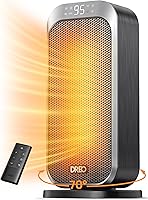
The DREO 1500W Thermostat Heater is a 1500-watt ceramic heater with a 12.5-amp rating. DREO's safety guidance says to plug it directly into a wall outlet and not use an extension cord.
A thermostat or ECO setting may reduce how often a heater runs, but it doesn't make an overloaded circuit safe. Use the heater only on a suitable circuit and follow its safety instructions.
Could the breaker be faulty?
A breaker may be worn or damaged, but repeated trips should be checked by an electrician before you assume that is the cause. The same symptoms can come from an overloaded circuit, a short, or a ground fault.
Note what was running when the breaker tripped and whether the heater was plugged in. Share those details with the electrician, along with any heat, smell, noise, or visible damage you noticed.
Don't replace a breaker with one rated for more current unless a qualified electrician confirms the circuit wiring supports it. A higher-rated breaker can leave wires unprotected.
Can an oil-filled heater prevent breaker trips?
An oil-filled heater can still trip a breaker if it draws too much power for the circuit or has a fault. The heater type doesn't remove the need to match its power use to the circuit.
The DREO Oil-Filled Radiator has 600W, 900W, and 1500W modes. Its lower settings draw less power than its 1500W mode, but other devices on the circuit still matter.
Use a lower setting only if it suits your heating needs, and never use it to ignore a breaker that trips repeatedly. If the heater trips a breaker even when other devices are off, stop using it and seek an inspection.
How do I avoid another breaker trip?
Use one heater on a suitable circuit, keep other high-power devices off that circuit, and plug the heater directly into the wall. Check the heater label and follow its manual.
Clean the heater as its manual directs, and look over the cord and plug before use. Our guide to how to clean a space heater explains routine care.
Don't use a heater with a damaged cord, loose plug, or signs of overheating. Keep it away from water and anything that can block its vents.
When should I call an electrician?
Call an electrician if the breaker trips again after you unplug the heater and reduce other loads, or if you notice heat, a burning smell, buzzing, or visible damage. Leave the heater unplugged until the cause is checked.
If the same breaker trips with several appliances, or the heater trips breakers in different locations, share that pattern with the electrician. Don't keep testing it to gather more evidence.
If other devices were sharing the circuit, reduce the load. If the breaker trips again or you see warning signs, leave the heater off and call an electrician.
Frequently asked questions
Can a space heater trip a breaker by itself?
Yes. A heater can draw enough current to trip a breaker, especially on a circuit that also powers other appliances.
A damaged heater, cord, outlet, or breaker can also cause trips.
Unplug it and stop using it if the breaker trips repeatedly, the outlet feels hot, or you notice a burning smell.
Should I use an extension cord if my space heater trips the breaker?
No. Plug a space heater directly into a wall outlet, and don't use an extension cord or power strip.
Moving it to another outlet only helps if that outlet is on a separate circuit and the heater and outlet are in good condition.
If the breaker trips again, stop using the heater.
Can I reset the breaker after a space heater trips it?
You can reset a breaker once after unplugging the heater and reducing other loads, if there are no signs of heat or damage. If it trips again, don't keep resetting it or hold it in place.
Leave the heater unplugged and contact a qualified electrician.
Does a 1500-watt space heater trip breakers?
A 1500-watt heater can trip a breaker when it shares a circuit with other high-draw devices or when an electrical fault is present. Check the heater's label and circuit rating, and account for other loads.
Don't assume a different outlet is on a separate circuit without confirming it.