What Is a Convection Heater?
A convection heater warms air and circulates it through a room. Choose one when you want heat to build and spread through the space, rather than warm only a person or spot directly.
On this page (7 sections)
A convection heater warms air and circulates it through a room. It suits steady, room-wide warmth, while radiant heat warms people and objects more directly.
The term describes how heat moves, not one specific heater shape. Panel heaters, baseboard heaters, and oil-filled radiators can all warm a room through convection, though their placement, controls, airflow, and feel differ.
What is a convection heater, and how does it work?
A convection heater warms nearby air, which rises as it gets warmer. Cooler air then moves toward the heater to take its place, creating a cycle that can spread heat through a room.
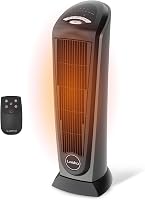
Some models use a fan to move warm air sooner. Others, including oil-filled radiators, rely on natural air movement and can warm without a fan.
Convection is not the same as heating the whole home. A portable electric heater adds warmth to the room where you use it, so think about the room and routine you want to serve.
How does convection compare with radiant heat?
Convection warms the air in a space; radiant heat warms the people and objects it reaches. That difference affects where the warmth is felt first and how it spreads.
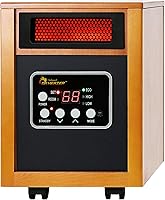
An infrared heater is a common radiant option. It can feel warm quickly when you sit in its path, while convection may be a better fit when you want warmth to build through the room.
Some heaters use more than one kind of heat transfer. Oil-filled radiators warm nearby air and release heat from their surfaces, so they don't fit neatly into only one category.
Read how infrared heaters work for more on direct radiant warmth. For a broader comparison of room-heating options, see our guide to electric heaters.
Does a convection heater need a fan?
No, convection heaters can work with or without a fan. A fan-assisted panel heater pushes warm air into the room, while an oil-filled radiator can warm surrounding air without blowing it.
A fan may help distribute warmth, but it also adds sound and moves air around. If quiet operation is a priority, compare that trade-off with the slower, fan-free warmth of an oil-filled radiator.
Which convection heater type fits your room?
Choose a heater by how it will sit in your room, how quickly you want warmth to spread, and how you prefer to control it. A wall-mounted unit saves floor space, while a wheeled radiator is easier to move between rooms.
A wall-mounted heater can suit a bedroom or office where keeping floor space open matters. The DREO Smart Wall Heater oscillates through 120 degrees and offers scheduling, app control, and Alexa and Google Home compatibility.
An oil-filled radiator can suit someone who wants quiet, gradual warmth without a fan moving air around. The De'Longhi EW7707CM has a ComfortTemp feature designed to maintain temperature and power levels, plus an integrated handle and wheels for moving it.
A panel heater may fit a room where a slim shape or flexible mounting is useful. The De'Longhi HCX9115E can stand on its feet or mount to a wall, and its dual lateral fan system is designed to improve heat distribution.
The Amazon Basics Oil Heater has 7 oil-filled fins, 3 heat settings, and caster wheels. Its manual controls suit readers who want a portable radiator without app or voice controls.
Skip a wall-mounted heater if you need to move your heat source from room to room or don't want to install one. Skip a fan-assisted panel if fan noise or moving air would bother you, and look at a radiator instead.
An oil-filled radiator may not suit you if you want heat to spread quickly after switching it on. If your goal is to feel warmth while sitting in one spot, a radiant heater may fit better than a room-air approach.
How do you choose a convection heater?
Start with the room and the kind of warmth you want, then compare power, controls, placement, and ease of moving the unit. No single feature makes a heater right for every space.
Check the stated heating area and output against the room where you'll use it. The DREO wall heater and both oil-filled radiators are 1500-watt units, while the De'Longhi panel heater is also 1500 watts and lists coverage up to 300 square feet.
A coverage number is a starting point, not a guarantee of even warmth in every room. Room shape, insulation, drafts, and furniture placement can change how well heat circulates.
Next, choose how much control you need. Scheduling and app or voice controls can help match a wall heater to a routine, while a manual dial and heat settings keep operation simple.
Think through installation before choosing a fixed unit. Wall mounting can free floor space, but you need a suitable location and must follow the included instructions and safety clearances.
For portable models, consider the path between rooms and where the heater will sit while running. Wheels and handles help with relocation, but let a heater cool as needed and move it carefully.
Our guide to space heater sizing and power explains how wattage relates to room fit. For a closer look at radiator trade-offs, read oil-filled radiator vs. space heater.
How should you set up and care for one?
Place the heater on a stable surface or mount it only as its instructions direct. Keep the airflow path clear, follow the required clearances, and never cover a heater while it is running.
For wall installation, use the supplied guide and mounting hardware as directed. Check that the planned spot gives the heater room to circulate air and that its controls are reachable.
For a portable radiator, choose a spot where the cord can reach without crossing a walkway. Avoid moving it by pulling on the cord, and keep it away from furniture, curtains, and other items that could block airflow.
Before cleaning, switch the heater off, unplug it, and let it cool. Wipe the exterior as its manual allows, and keep dust from building up around vents or controls.
Oil-filled radiators have sealed oil reservoirs, so don't try to open or refill them. If you notice damage or unusual operation, stop using the unit and consult its instructions or the manufacturer.
What common mistakes should you avoid?
The most common mistake is expecting every convection heater to warm a room at the same speed. A fan-assisted panel moves air differently from a radiator that relies on natural circulation.
Another mistake is choosing by wattage alone. Output matters, but installation style, controls, room layout, and your tolerance for fan noise all affect whether a heater fits your routine.
Don't place a heater where a sofa, curtain, or other object blocks its airflow. Don't use an extension setup or installation method unless the heater's instructions allow it.
Finally, don't assume a portable heater replaces whole-home heating or will heat a large, drafty space evenly. Use it for the room and purpose it is designed to serve.
Is a convection heater right for your room?
Pick a convection heater if you want warmth to build and spread through room air over time. Choose a fan-assisted panel for air movement and flexible mounting, an oil-filled radiator for quiet gradual heat, or a wall-mounted smart model when floor space and scheduled controls matter.
Pick radiant heat if you mainly want warmth directed at someone sitting nearby. For another room-heating comparison, see space heater vs. baseboard heater.
Frequently asked questions
What is a convection heater?
A convection heater warms air near its heating element. That warm air rises while cooler room air moves toward the heater, where it warms in turn.
This circulation can spread warmth beyond the area directly beside the unit.
The pace and evenness depend on the heater, room layout, insulation, and airflow.
Do convection heaters use a fan?
Some convection heaters use a fan to move warm air, while others rely on natural air movement. A fan-assisted panel can distribute warmth through the room, but the fan adds sound and moving parts.
Oil-filled radiators can warm surrounding air without blowing it around.
Check the heater's design if fan noise or airflow matters to you.
Is a convection heater better than a radiant heater?
Neither type suits every situation. Convection is a practical choice when you want warmth to spread through room air over time, while radiant heat can feel quicker when directed at a nearby person or object.
Consider the area you want to warm, where you can place the heater, and whether fan noise matters.
Are oil-filled heaters convection heaters?
Oil-filled radiators heat sealed oil inside the unit, then transfer warmth to nearby air and objects. They can warm air through natural movement without using a fan, and their warm surfaces also give off radiant heat.
The result is gradual warmth from a mix of heat transfer.
The sealed oil does not need refilling.