Honeywell vs Lasko Space Heater: Which Is Better? (October 2026)
Choose the Lasko 751320 for remote control and lighter weight, or the Honeywell Slim Ceramic Tower for a programmable thermostat, a 750-watt low setting and an 8-hour timer option. Both offer 1,500-watt high heat and oscillation.
On this page (11 sections)
- Honeywell vs Lasko space heater: what is the main difference?
- Which heater has the more useful timer?
- How do the safety features compare?
- Which heater is easier to move and place?
- How do their heat settings compare?
- Who should choose the Honeywell Slim Ceramic Tower?
- Who should choose the Lasko 751320?
- How should you set up and care for either heater?
- What common mistakes should you avoid?
- Which heater should you choose?
- Honeywell vs Lasko space heater: what is the final decision?
The Lasko 751320 is the better fit if you want remote control and easy carrying; the Honeywell Slim Ceramic Tower suits you if you want a programmable thermostat and a 750-watt low setting. This Honeywell vs Lasko space heater comparison comes down to control style, timer choices and how often you plan to move the heater.
Both are ceramic tower heaters with oscillation and 1,500-watt high heat. The Honeywell offers a maximum 8-hour timer, while the Lasko includes a remote for changing heat, oscillation and timer settings.
Honeywell vs Lasko space heater: what is the main difference?
Lasko gives you remote operation and a lighter body; Honeywell gives you a programmable thermostat and more timer choices. Your best match depends on whether you value convenient adjustments across the room or temperature-based control.
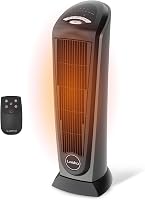
The Lasko 751320 is 22.5 inches tall and weighs 2.5 pounds. It has a built-in carry handle, so moving it from one room to another is simpler.
The Honeywell Slim Ceramic Tower is 22 inches tall and weighs 4.5 pounds. Its digital controls, sturdy base and slim tower shape suit a spot where you plan to leave it set up.
Both have two heat settings and oscillate. Honeywell specifies 750 watts for its low setting; the Lasko's lower-setting wattage isn't specified.
Honeywell vs Lasko tower heater controls
Choose the Lasko if you want to adjust heat, oscillation and the timer from a remote; choose Honeywell if you want a programmable thermostat. The Lasko's remote is useful when you want to change settings from a bed, couch or desk without walking to the heater.
Honeywell's digital controls are on the heater. Its programmable thermostat gives you temperature-based control, which may suit a room where you want the unit to maintain a chosen comfort level.
Neither control style is automatically better for every room. Think about where you'll sit, whether you'll move the heater, and which adjustments you expect to make once it's running.
Which heater has the more useful timer?
Honeywell offers timer options up to 8 hours, while the Lasko has a 7-hour timer. Honeywell gives you 1-, 2-, 4- and 8-hour choices, while Lasko's single maximum period may suit a longer work session or evening.
A timer provides a scheduled shutoff, but it doesn't replace following the operating instructions. Pick a timer setting that matches your plans, and don't use it as a reason to leave a heater unattended if its manual says otherwise.
The Lasko's timer can be operated with its remote or heater controls. For more options, see our guide to space heaters with a timer.
How do the safety features compare?
Both include overheat protection and cool-touch housing; Honeywell also specifies a 360-degree tip-over switch. Follow each model's manual for safe placement, clearances and operation.
Honeywell has an overheat sensor and cutoff fuse, as well as a sturdy base. Lasko has a self-regulating ceramic element, overheat protection, cool-touch housing and ETL listing.
These features don't remove the need for careful placement. Keep either heater clear of bedding, curtains and other items, and use the clearance distances in its manual.
If you're weighing tip-over protection, read what tip-over protection means on a space heater. For broader guidance, see are ceramic heaters safe?.
Which heater is easier to move and place?
Lasko is lighter and has a carry handle; Honeywell has a sturdy base and a slim tower form. Consider the path between rooms as well as the floor space available at each destination.
The Lasko weighs 2.5 pounds; Honeywell weighs 4.5 pounds. Lasko measures 8.3 inches deep, 7.25 inches wide and 22.5 inches tall, while Honeywell measures 10 inches deep, 7 inches wide and 22 inches tall.
Both oscillate, which moves warm air across a wider area. Oscillation can help distribute heat, but room shape, furniture and heater placement still affect comfort.
Measure the spot before you buy, then allow the clearance required by the manual. Our guide to space heaters for small rooms explains how room size and heater type affect your choice.
How do their heat settings compare?
Both heaters offer 1,500-watt high heat, but only Honeywell specifies a 750-watt low setting. If you need to plan around the lower setting's power use, that published figure makes Honeywell the clearer choice.
Lasko offers two heat settings and a self-regulating ceramic element. Since its lower-setting wattage isn't specified, check its manual if the exact draw matters to your electrical plan.
Both heaters are rated at 12.5 amps. A 1,500-watt heater can use a large share of a household circuit, especially when other high-wattage appliances are running on it.
Review how many amps a space heater uses before choosing a circuit. If the breaker trips, our guide to space heaters tripping a breaker covers common causes.
Who should choose the Honeywell Slim Ceramic Tower?
Choose Honeywell if you want a programmable thermostat, a defined 750-watt low setting or timer choices that include 8 hours. Its fixed digital controls make the most sense when you expect the heater to stay in one room.
The low setting gives you a known alternative to high heat, and the thermostat adds another way to manage room temperature. Timer choices of 1, 2, 4 or 8 hours also give you flexibility for shorter or longer periods.
Skip it if you want to make adjustments from across the room or plan to carry the heater between rooms often. It has no remote, weighs more than the Lasko, and its 10-inch depth may need more floor clearance than you have.
Honeywell is the more suitable pick when you have a stable place for the heater and want its thermostat and timer options. Read the manual before setup, including its instructions for placement and use.
Who should choose the Lasko 751320?
Choose Lasko if remote adjustments and easy carrying matter more than a programmable thermostat or a specified low-setting wattage. Its remote operates heat, oscillation and the timer, and its built-in handle supports moving it between rooms.
At 2.5 pounds, it is the lighter of these two heaters. Its 7-hour timer and wide oscillation suit someone who wants simple room-to-room portability and adjustments from a desk, couch or bed.
Skip it if you need a programmable thermostat or must know the exact wattage of the lower heat setting before buying. The Lasko has two heat settings, but the lower setting's wattage isn't specified here.
This is the more convenient choice for someone who wants remote operation and a heater that's easier to carry. Place it on a stable, clear surface and follow the manual's setup instructions.
How should you set up and care for either heater?
Set up either heater on a stable, open floor area, with the clearances in its manual and the controls easy to reach. Keep it away from bedding, curtains and furniture, and check that oscillation has room to move without obstruction.
Before using it, learn where the controls are and how to set the timer. For the Lasko, keep the remote available and make sure you know how to operate the heater itself; for Honeywell, get familiar with the digital controls and thermostat.
Switch the heater off and let it cool as the manual directs before moving or cleaning it. Keep air openings clear of dust, and follow the manufacturer's cleaning instructions instead of using liquid or a tool that could damage the unit.
Don't assume that a timer, thermostat or safety feature makes a poor location safe. If you aren't sure about placement or care, consult the model's manual first.
What common mistakes should you avoid?
Don't buy based on the brand name alone; match the controls and known heat settings to your daily routine. A remote is useful only if you'll use it, and a programmable thermostat is valuable only if you want temperature-based control.
Don't assume that the Lasko's two heat settings mean it has the same 750-watt low setting as Honeywell. Its lower wattage isn't specified here, so consult its manual if that detail affects your choice.
Don't treat oscillation as proof that every corner of a room will feel equally warm. Give the heater an open position and consider the room's layout rather than placing it behind furniture or near fabric.
Don't use timer choices as a substitute for safe operation. Follow each heater's placement, clearance and operating instructions, and keep an eye on the electrical circuit when other appliances share it.
Which heater should you choose?
Pick Lasko for remote operation and easy carrying; pick Honeywell for thermostat control, a specified 750-watt low setting and an 8-hour timer option. Both provide 1,500-watt high heat and oscillation, so their controls and practical fit are the main deciding factors.
The Lasko 751320 fits a room where you want to change settings from a distance or carry the heater between spaces. The Honeywell Slim Ceramic Tower fits a room where the heater can stay put and you want more timer choices.
For a wider look at heater types, start with the best electric heaters for home. If remote operation is the priority, compare more space heaters with remote control.
Honeywell vs Lasko space heater: what is the final decision?
For the Honeywell vs Lasko space heater choice, buy Lasko for its remote and lighter body, or Honeywell for its programmable thermostat and 750-watt low setting. Pick Honeywell if the 8-hour timer option matters; pick Lasko if remote control is the feature you'll use most.
Frequently asked questions
Is Honeywell or Lasko better for a bedroom?
Either can suit a bedroom, depending on how you want to control heat. The Lasko includes a remote and a 7-hour timer, while the Honeywell offers a programmable thermostat and timer choices of 1, 2, 4 or 8 hours.
Place and operate either heater according to its manual.
Which heater has a longer timer, Honeywell or Lasko?
The Honeywell has the longer maximum timer, with options up to 8 hours. The Lasko has a 7-hour timer.
Choose the shutoff period that fits your routine, and follow the heater's manual for operation and placement.
Do both Honeywell and Lasko tower heaters oscillate?
Yes, both models oscillate, moving warm air across a wider area than aiming the heater in one fixed direction. The Lasko has wide oscillation, and the Honeywell also oscillates.
Room shape, furniture and placement affect where the warm air reaches.
Can I run either heater on a low setting?
The Honeywell has a 750-watt low setting and a 1,500-watt high setting. The Lasko offers 2 heat settings, but its lower-setting wattage isn't specified.
Check its manual for the exact setting and operating guidance.
Which heater is easier to move?
The Lasko weighs 2.5 pounds and has a built-in carry handle, while the Honeywell weighs 4.5 pounds. Turn the heater off and let it cool as directed in its manual before moving it.