Are Ceramic Heaters Safe?
Ceramic heaters can be safe when used as directed, with clear space around them, direct wall-outlet power, and regular supervision. Their safety features help reduce certain risks, but they don't make a heater fireproof.
On this page (9 sections)
- Are ceramic heaters safe for everyday use?
- Which safety features should a ceramic heater have?
- Where should you place a ceramic space heater?
- Is it safe to leave a ceramic heater on while you sleep?
- Can you plug a ceramic heater into an extension cord?
- Do ceramic heaters need smoke and carbon monoxide alarms?
- What should you check before turning on a ceramic heater?
- When should you stop using a ceramic heater?
- Are ceramic heaters safe? Use this checklist
Ceramic heaters can be safe when used as directed, with clear space around them, direct wall-outlet power, and regular supervision. Safety features can reduce specific risks, but they don't make a heater fireproof or remove the need for smoke alarms.
Before using one, read its manual and check its cord, plug, and housing. Put it on a stable, level surface, keep it away from anything that can burn, and turn it off when you leave the room or go to sleep.
Are ceramic heaters safe for everyday use?
A ceramic heater is generally suitable for indoor use when you follow its manual and keep it supervised. Its ceramic heating element warms air that a fan moves around the room, so the unit needs a stable place with space for airflow.
Keep the heater away from curtains, bedding, furniture, papers, and clothing. Follow the clearance distances in the manual, since the required space can vary by model.
Don't cover the heater or use it to dry clothes. Keep children and pets from touching or tipping it, and don't run it where it could be knocked over.
Ceramic heating describes the element, not a guarantee about the whole heater. For a plain explanation of the heating method, see how ceramic heaters work.
Which safety features should a ceramic heater have?
Look for features that address the risks you can identify, such as overheating and tipping. Check the manual to learn what each feature does and what conditions can affect it.
Overheat protection can shut a heater off if it gets too hot. Tip-over protection can turn off some models after they fall, but it doesn't prevent the fall or make the surrounding area safe.
Some heaters also have a cool-touch housing or a safety plug. These features don't mean every surface stays cool or that an outlet can handle a damaged cord.
The DREO Quiet Remote Heater includes child lock, tip-over protection, overheat protection, a safety plug, and V0 flame-retardant material. Its feature set may suit someone comparing built-in safeguards, but supervision and safe placement still matter.
For a closer look at one safeguard, read what tip-over protection does on a space heater. Check the exact model manual to understand its limits.
Where should you place a ceramic space heater?
Set the heater on a firm, level floor with the clear space required by its manual. Keep it away from doors, walkways, and spots where someone might bump into it.
Do not put a portable heater on a bed, sofa, table, or other surface unless its manual specifically permits that location. Keep it away from damp areas and water, and don't operate it with wet hands.
Point the warm airflow into the room without aiming it at curtains, bedding, or furniture. Leave the heater's air openings uncovered so it can move air as designed.
If the heater has oscillation, make sure its full sweep stays clear. A tower shape may save floor space, but it still needs room around it.
Is it safe to leave a ceramic heater on while you sleep?
Turn a portable heater off before going to sleep or leaving the room. A timer can stop it later, but it doesn't replace being present while it runs.
Keep the heater well away from bedding and curtains, and never place it where blankets or clothing could fall onto it. Don't rely on a thermostat, timer, or safety shutoff as a reason to leave a heater unattended.
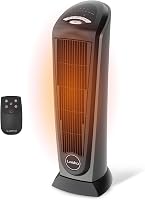
The Lasko 751320 Ceramic Tower has a 7-hour timer, overheat protection, and cool-touch housing. Those features may help with operation, but the timer does not make unattended or overnight use risk-free.
Turn the unit off at its controls and unplug it when it isn't in use, following its manual. Avoid touching a plug or outlet if it is hot or damaged.
Can you plug a ceramic heater into an extension cord?
Use a wall outlet directly unless the heater manual says another connection is allowed. Extension cords and power strips may not be suited to the heater's electrical load.
Don't run the cord under rugs, through doorways, or where it can be pinched or tripped over. Keep the plug and outlet visible so you can notice damage or unusual heat.
Stop using the heater if its cord is frayed, its plug is loose, or the outlet becomes hot, discolored, or gives off a burning smell. Don't keep resetting a breaker that trips when the heater runs.
A 1,500-watt heater can draw substantial current on a household circuit. If the breaker trips, see why a space heater trips the breaker and avoid adding other high-load devices to the same circuit.
Do ceramic heaters need smoke and carbon monoxide alarms?
Keep working smoke alarms in your home, and use carbon monoxide alarms where required by local guidance. Electric ceramic heaters don't burn fuel, but alarms remain important for other household fire and carbon monoxide risks.
Follow local codes and alarm instructions for where to install devices. Test them as directed, and replace alarms when their instructions say to do so.
The X-Sense Smoke and CO Alarm combines photoelectric smoke sensing with electrochemical CO sensing. It has a sealed battery designed for 10 years and is a standalone unit without wireless interconnection or Wi-Fi.
The First Alert Smoke and CO Alarm provides combination smoke and carbon monoxide detection, a test/silence button, and an end-of-life warning.
Neither alarm makes unsafe heater use safe. Install and maintain alarms according to their instructions and local requirements.
What should you check before turning on a ceramic heater?
Inspect the heater, cord, plug, and surrounding area before each use. Don't run a unit with cracks, loose parts, damaged wiring, or signs of overheating.
Place it on a stable surface, confirm the outlet is in good condition, and remove clutter from around it. Check that the air openings are clear and the cord isn't trapped or stretched.
Keep the heater dry. If it gets wet, stop and follow the manufacturer's instructions rather than plugging it in to see if it works.
Dust can block airflow over time. Unplug the heater and let it cool before cleaning, and follow the care steps in how to clean a space heater.
When should you stop using a ceramic heater?
Stop using it if it smells like burning, makes unusual sounds, sparks, repeatedly shuts off, or has a damaged cord or plug. Switch it off and unplug it only if you can do so without touching a hot or damaged area.
A warm plug or outlet, a breaker that trips repeatedly, or visible scorch marks can signal an electrical problem. Don't open the heater or try to repair wiring unless the manufacturer directs you to a qualified service provider.
Replace a heater that has been damaged by a fall or shows signs of melting. When in doubt, follow the manual and contact the manufacturer for guidance.
Are ceramic heaters safe? Use this checklist
Ceramic heaters can be safe with the right setup and supervision. Choose a model with safeguards that fit your needs, then use it on a level surface, keep its clear space open, and plug it directly into a suitable wall outlet.
Turn it off when you leave the room or go to sleep, and keep smoke alarms working. If you need help choosing a heater type, compare the options in our guide to electric heaters for home.
Frequently asked questions
Are ceramic heaters safe to leave on overnight?
It's safer to turn a portable ceramic heater off before you sleep or leave the room. Follow the heater manual, keep it away from bedding and other materials, and use working smoke alarms.
A timer or tip-over feature doesn't replace supervision or make overnight use risk-free.
Can a ceramic heater catch fire?
Yes. Any portable electric heater can start a fire if it tips, overheats, sits too close to something that can burn, or is used with an unsuitable cord or outlet.
Keep the heater on a level surface, maintain the manual's clearances, and stop using it if the cord or plug is damaged.
Is a ceramic heater safer than other space heaters?
No heater type is automatically safe in every setup. Ceramic models may include features such as overheat protection or tip-over shutoff, but compare the safety features of the specific heater and follow its instructions.
Placement, supervision, and a suitable electrical outlet matter with any portable heater.
Can I plug a ceramic heater into a power strip?
Plug a portable heater directly into a wall outlet unless its manual clearly allows another setup. Power strips and extension cords can overheat under a heater's load.
Stop using an outlet that feels hot, sparks, or shows damage, and have electrical problems checked.