How to Clean a Space Heater
To clean a space heater, unplug it and let it cool completely, then wipe the case and clear dust from accessible vents as the manual allows. Use a soft brush or vacuum attachment for loose dust.
On this page (10 sections)
- How do you clean a space heater safely?
- What tools help clean dust from a space heater?
- What are the steps to clean a space heater?
- How do you clean a ceramic tower heater?
- Do oil-filled heaters need cleaning inside?
- When should you stop cleaning and get help?
- What mistakes should you avoid when cleaning a space heater?
- What should you check before using the heater again?
- How to choose the right cleaning method for a space heater
- How to clean a space heater: the decision
To clean a space heater, unplug it, let it cool completely, then wipe the case and remove dust from accessible vents as the manual directs. This guide to how to clean a space heater covers the tools, steps, and warning signs that tell you to stop.
Dust can collect around an intake and outlet, where it may restrict airflow. A careful surface clean keeps accessible areas clear, but it doesn't replace the maker's maintenance instructions or fix an electrical problem.
How do you clean a space heater safely?
Switch the heater off, unplug it, and wait until every surface is cool. Check the manual first because cleaning access and care steps vary by model.
Move the heater to a dry, open area where you can reach it without pulling on the cord. Gather a soft cloth, a soft brush, and a vacuum with a brush attachment if the manual permits one.
Keep liquids away from the heater, plug, and outlet. Don't clean a heater that is warm, plugged in, wet, or showing damage.
What tools help clean dust from a space heater?
A dry cloth and soft brush handle most accessible exterior dust. Add a vacuum attachment only when the manual permits vacuuming near the vents.
Choose a soft brush that can sweep the grille without bending it or reaching into the housing. A vacuum brush attachment can collect loose dust at the opening, but keep it outside the grille.
A powered air duster is a specialized option for tight, dry spaces. Its airflow can move dust deeper inside, so use one only if the heater manual allows it and gives a safe method.
The FRESMOL cordless duster has 3 speed settings, 5 nozzles, and 3 brushes. It suits someone who already needs a reusable blower for keyboards or other electronics and wants an option for permitted exterior heater cleaning; skip it if a cloth and brush cover your needs or your heater manual rules out forced air.
What are the steps to clean a space heater?
Clean the outside first, then remove only loose dust you can reach safely. Keep the housing closed unless the manual gives a specific removal procedure.
- Unplug the heater and let it cool fully.
- Wipe the case with a dry or slightly damp cloth, if allowed.
- Brush dust away from accessible vents with a soft brush.
- Vacuum loose dust near the vents with a soft attachment, if allowed.
- Let any damp exterior surfaces dry completely before reconnecting power.
- Check the cord, plug, and case for damage before use.
Don't press a brush or nozzle into an opening. If dust is packed inside or you can't reach it without removing screws or covers, stop and contact the maker.
How do you clean a ceramic tower heater?
Unplug the ceramic heater, let it cool, and clean its case and vents without opening the tower. Follow the manual for any removable filter or panel.
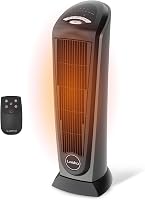
The Lasko 751320 is a ceramic tower with a self-regulating heating element, overheat protection, and cool-touch housing. Those features don't change the cleaning steps: remove exterior dust gently and keep tools away from the heating element.
This tower suits people who want a portable heater with remote control, oscillation, and a timer, and who can clean its accessible grille as directed. Skip it if you need a design with no fan or prefer an oil-filled radiator; see how ceramic heaters work for more on the type.
Do oil-filled heaters need cleaning inside?
No, don't open an oil-filled radiator to clean its interior. Wipe the cooled exterior and clear dust around accessible openings according to the manual.
The De'Longhi EW7707CM has a permanently sealed oil reservoir, so routine care doesn't include refilling oil. Its quiet, fan-free heat may suit someone who wants to avoid a heater that blows air around the room, but skip it if you want a light tower that is easier to carry: this model weighs 23.2 pounds.
Keep its controls and exterior dry, and don't remove panels to reach internal parts. If the heater leaks, develops a burning smell, or has a damaged cord, stop using it and contact the maker.
When should you stop cleaning and get help?
Stop if dust is trapped inside, the case is damaged, or cleaning requires removing a cover. Contact the maker or a qualified service professional instead of reaching into the heater.
A burning smell, oil leak, damaged cord, cracked housing, or discoloration around the plug also calls for stopping use. Unplug the heater if you can do so safely, and don't reconnect it to see whether the issue goes away.
For a heater that keeps developing problems, how long space heaters last can help you think through service or replacement. If you are comparing a replacement, start with our electric heater guide and choose a type that suits the room and your care preferences.
What mistakes should you avoid when cleaning a space heater?
Keep water out of the housing, avoid harsh cleaners and metal tools, and never open the heater casually. These mistakes can damage parts or leave moisture near electrical components.
Don't use a hair dryer, heat gun, or another heater to dry the unit. Don't run it while damp, and don't plug it back in until the exterior is fully dry.
A tip-over switch or overheat protection doesn't make it safe to clean a plugged-in heater. Read what tip-over protection does to understand what that feature does and what it does not replace.
What should you check before using the heater again?
Reconnect the heater only when it is dry, undamaged, and clear of loose dust around accessible vents. Check the manual's instructions before restoring power.
Inspect the cord, plug, and case for cracks, discoloration, or a burnt smell. If the heater behaves differently after cleaning, unplug it and contact the maker instead of repeatedly switching it on.
The DREO 16-inch tower has tip-over and overheat protection, a 24-hour auto-off function, and a digital thermostat. It suits a buyer who wants adjustable heat and those built-in protections; skip it if you prefer a fan-free heater or want the simplest controls.
The DREO also has a remote control and a 70-degree oscillation range. For another way to narrow choices, the space heater sizing and care guide covers related operating questions.
How to choose the right cleaning method for a space heater
Start with the manual, then match the tool to the dust you can reach. A cloth and soft brush are enough for routine exterior care on many heaters.
Use a vacuum brush attachment when the manual permits it and loose dust sits at an accessible vent. Choose a powered air duster only when the manual allows airflow cleaning and you can direct dust away from people and the heater.
Don't buy a tool to solve a problem that requires service. Packed-in dust, an unusual smell, a leak, or damage calls for stopping use and getting qualified help.
How to clean a space heater: the decision
Use a soft cloth and brush for routine dust, and add a vacuum only when the manual allows it. Use a powered air duster only when the manual explicitly permits airflow cleaning and you can keep dust from blowing deeper inside.
Choose an oil-filled model if quiet, fan-free heat and exterior-only routine care fit your needs. Choose a tower if you want features such as oscillation, remote control, or a timer, then follow its manual for vent and filter care.
For every type, unplug first, let it cool fully, and stop before opening the case. Inspect the cord and plug before using the heater again.
Frequently asked questions
How often should you clean a space heater?
Inspect the heater regularly during the heating season and clean it when dust gathers on the case or near vents. Follow the maker's schedule if the manual gives one.
Unplug the heater and let it cool before each cleaning.
Dusty rooms or frequent use call for more frequent checks.
Can you vacuum a space heater?
You can vacuum accessible exterior vents if the manual allows it. Unplug the heater first, let it cool, and use a soft brush attachment without forcing it into openings.
Don't remove covers or push a vacuum nozzle inside unless the maker's instructions specifically allow it.
Can you use compressed air to clean a space heater?
Use compressed or powered air only if the heater manual permits it and explains a safe method. Air can push dust farther inside, so direct it away from the heater and people.
Never clean a heater while it is plugged in, warm, wet, or damaged.
Can you wash a space heater filter?
Wash a filter only if the manual says it is washable and explains how to dry it. Some filters are replaceable or meant for dry cleaning only.
Never reinstall a damp filter, and don't run the heater without a required filter in place.